En el mes de junio de 1839, el joven Cinque de la tribu Mende fue secuestrado y esclavizado.
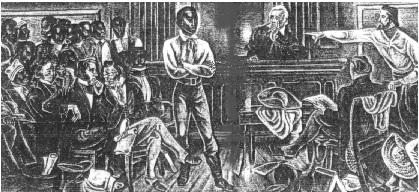
Ese hecho terminó en el juicio Amistad en 1841 en que la Corte Suprema de los Estados Unidos de América determinó que los africanos abordo del barco L’Amistad, de la colonia española en Cuba, deberían ser devueltos a sus hogares y no a Cuba donde serán esclavizados.
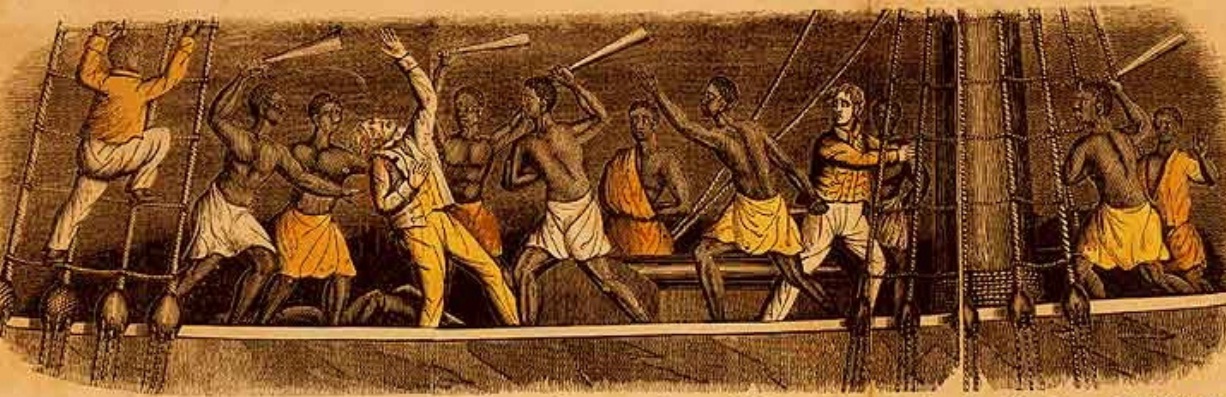
Cinque y un grupo de 53 jóvenes, fueron llevados a Cuba desde Africa con identificaciones falsas por los mercaderes de esclavos portugueses, luego fueron puestos en el barco L’Amistad para ser transportados a Norte América. Momentos después en alto mar los africanos se liberaron y se rebelaron bajo el liderazgo de Cinque y otros incluyendo a Grabeau quien se posesionó del barco y obligó a dos de los marinos a conducirlos nuevamente a Africa de donde procedían.
Una lancha de la GuardaCosta norteamericana interceptó L’Amistad y lo condujo a Nueva Inglaterra, Connecticut, arrestando a todos. En 1840 se inició el juicio del estatus de los negros Amistad, como se clasifico en ese momento. Ellos, los esclavizados tuvieron que probar que nacieron en Africa y llevados a Cuba en violación de las leyes que prohibía la trata de esclavos. Los defensores de los dueños del barco, insistían en la devolución del barco con toda su carga a sus dueños españoles apoyado en el tratado de 1795 y un segundo tratado con España ratificado en 1821. En marzo de 1841, por voto de 8 a favor y 1 en contra, la Corte Suprema de los Estados Unidos de América, determinó que los Amistad eran naturales del Continente Africano que fueron secuestrados y llevados ilegalmente a Cuba en violación de las leyes y tratados de España vigente.
El juicio no fue particularmente significante en principios legales, pero sí estimuló el movimiento hacia un país totalmente libre de esclavo, movimiento que inició en 1776. Los abolicionistas hicieron colecta para enviar a los africanos de vuelta a su país y en enero de 1842, Cinque y otros 35 compañeros regresaron felizmente a sus hogares.
Fue un ejemplo de la integridad de la Corte Suprema de la Unión que favorecía a los esclavizados y los abolicionistas y en especial al expresidente John Quincy Adams, quien ya anciano y ciego logró probar el secuestro perpetuado.
Veinte años después inició la Guerra Civil en Norte América que trajo como consecuencia la abolición total de la esclavitud en los Estados Unidos de Norte América.
Anthony C. McLean H.
.